
The MusIC Team
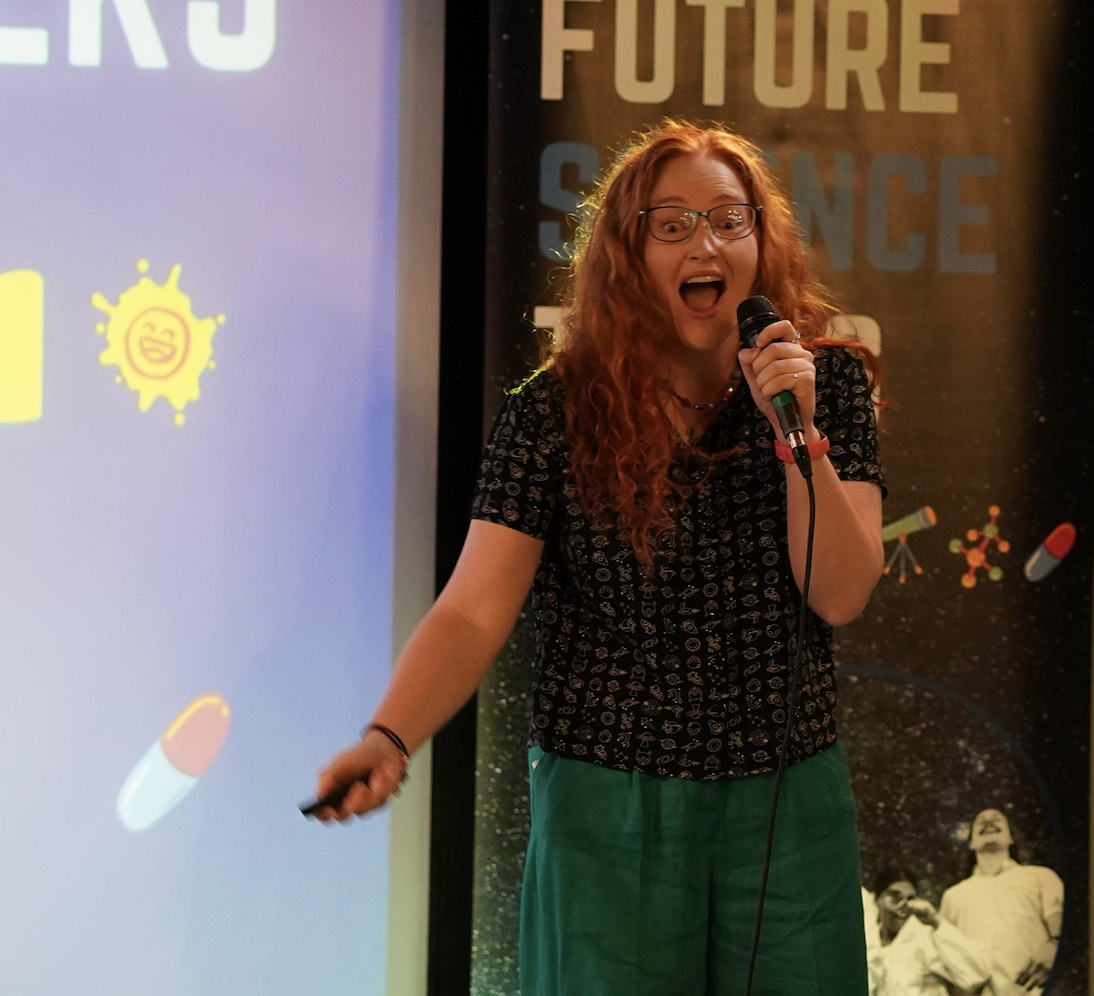
Emily moved to Vancouver in 2024 after completing her PhD in Adelaide, South Australia. During that time, she participated in two national road trips taking quantum and dark matter to over twenty remote and regional schools. She is keen to bring her love of science and science education to BC schools with the Cosmic Watch Project.
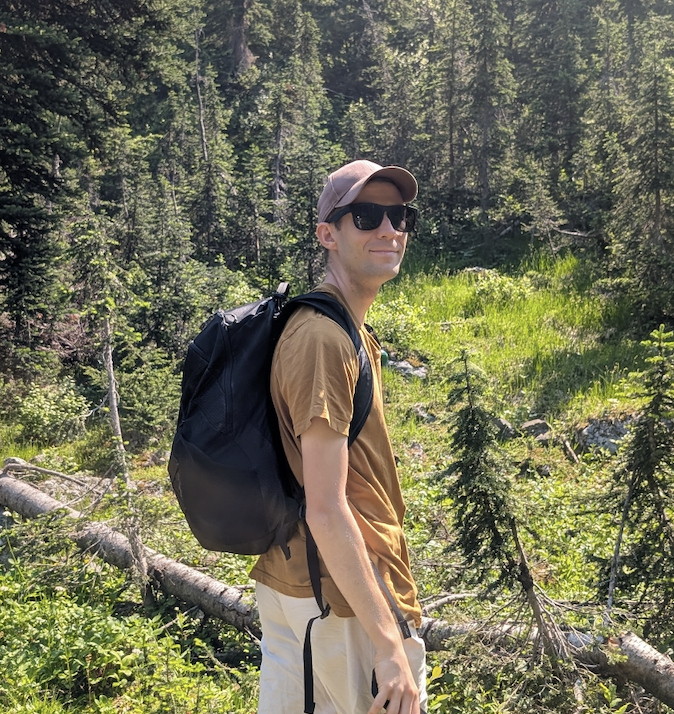
Matt is a postdoctoral fellow in particle physics at TRIUMF. Originally from BC, he moved to Vancouver after completing his PhD in Toronto. He is passionate about electronics, data analysis, running, and his family.
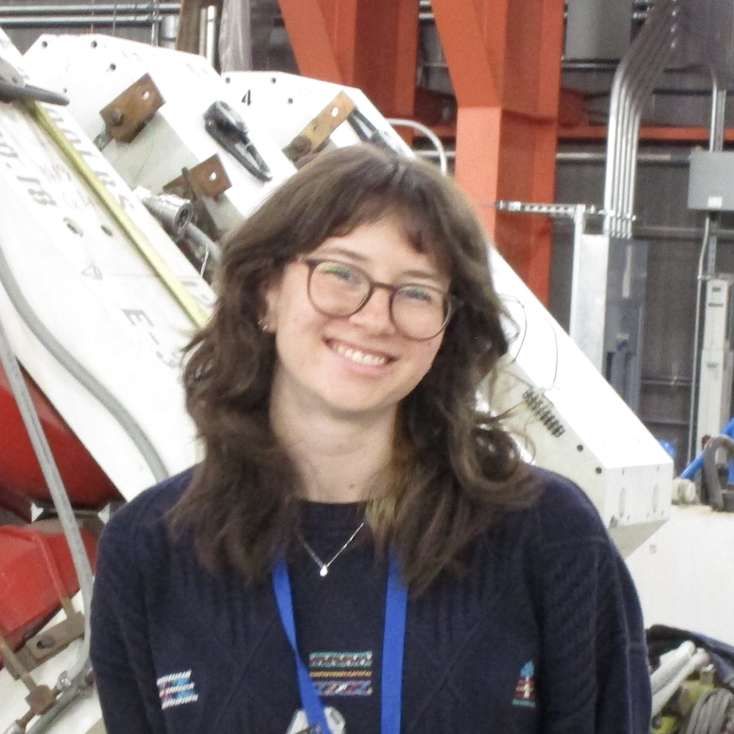
Kit is an undergraduate student in Physics at UBC in Vancouver. MusIC is the first physics outreach project she has worked on, and she loved building this website and Cosmic Watch detectors. Kit loves music as well as MusIC: she enjoys singing with her choir and teaching herself her favourite songs on the guitar.

Mackale is a TRIUMF Fellowship student as well as an undergraduate student in Astrophysics at UBC Vancouver. They are extremely good at milling scintillators, and built many Cosmic Watch detectors as well as the figures you see in the Detector Data section of this website.
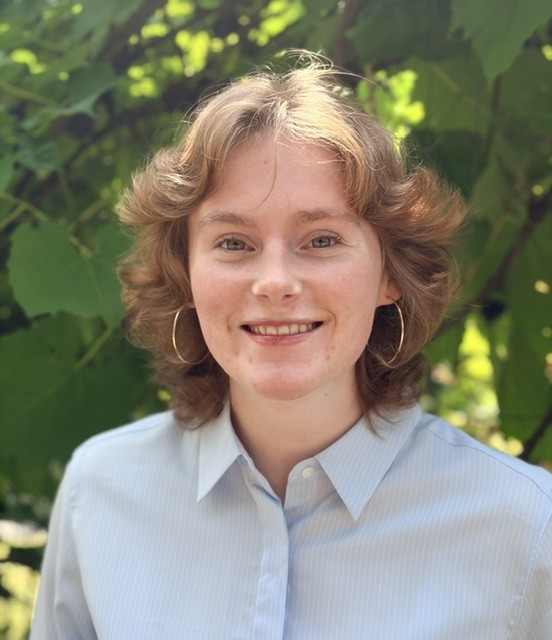
Lily is entering her 3rd year of Electrical Engineering at the University of Victoria. She is particularly passionate about particle physics, and was very excited to join MusIC this fall to explore more of the field and participate in launching this amazing outreach project! When she isn't working on an electronics project of some kind, you can probably find her in the great outdoors.
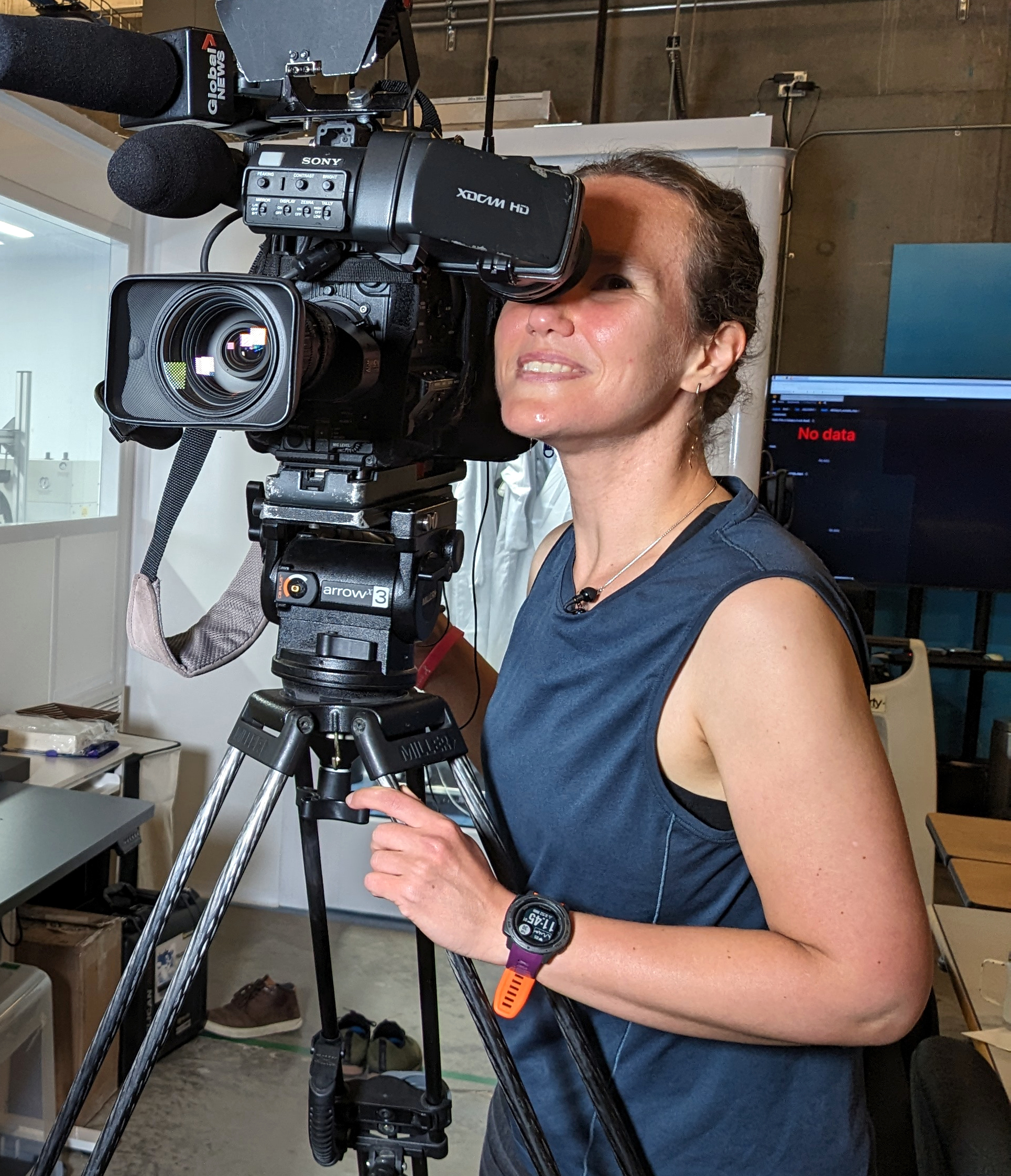
Luise moved to Vancouver in 2020 after previously living and working in Germany, England, Australia and the US. When she is not writing emails, making spreadsheets or sitting in meetings, she loves working on detectors for particle physics and on outreach projects - because nothing reminds a scientist of the beauty of particle physics like discussing it with students.
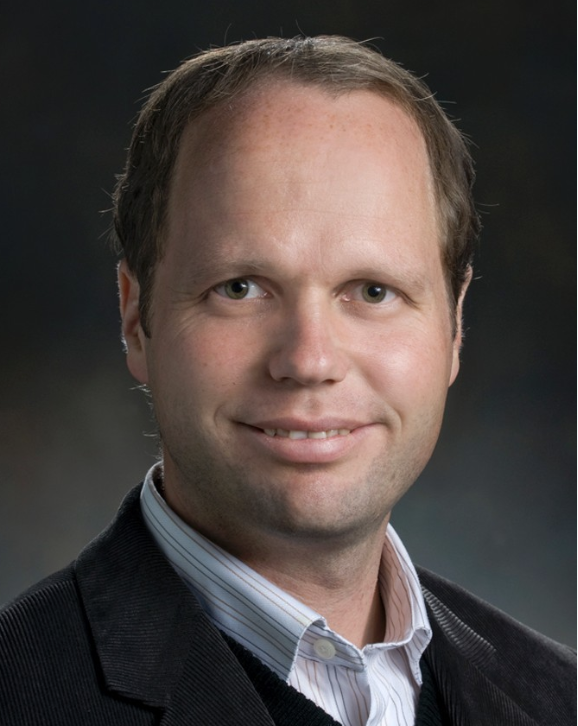
Professor Bernd Stelzer is involved in Higgs boson property measurements and searches for physics Beyond the Standard Model. Bernd is overseeing the construction of parts for the new ATLAS Inner Tracking detector (ITk) in Western Canada.
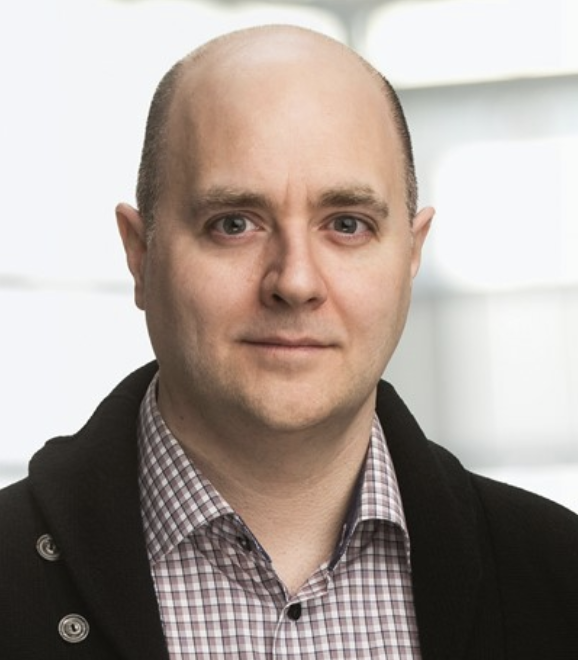
Dr. Grant’s research uses tiny, fast-moving particles called neutrinos to explore some of the most powerful events in the universe. These particles are created in places like the Sun, nuclear reactors, and deep space — and they can travel across the universe almost without being stopped. To study them, Dr. Grant’s team works with giant detectors like the IceCube Observatory in Antarctica and is helping design new ones, including a deep-sea observatory off Canada’s Pacific coast. The goal is to build a global network of detectors that can give us a clearer picture of the universe by combining signals from different sources.